
Strong Materials and Smart Installation Help Chain Link Fences Last for Decades
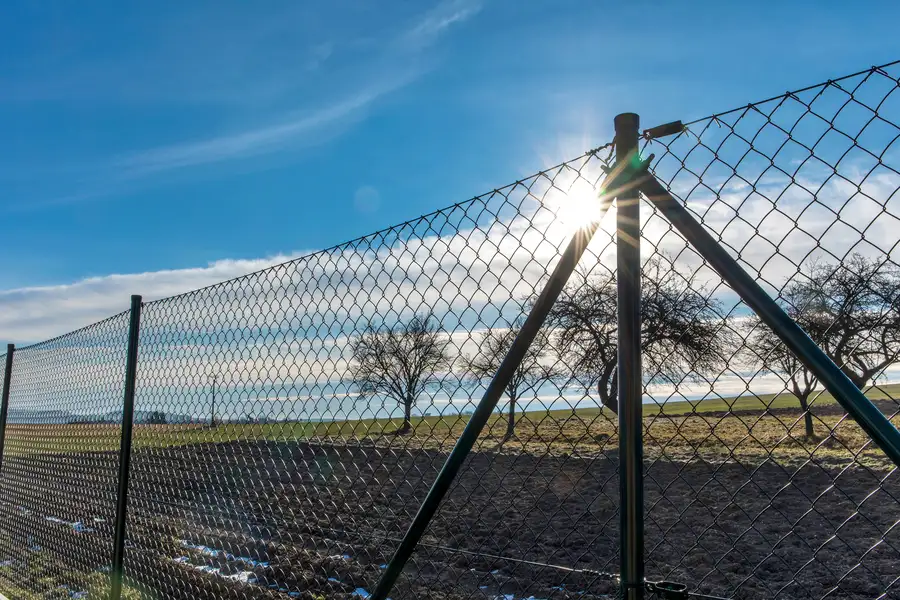
How chain link fencing provides long-term durability comes down to simple design, strong steel, and proper setup. A well-built chain link fence can last 20 years or more with basic care. The woven steel mesh flexes under pressure instead of breaking. Galvanized or coated wire resists rust. When posts are set deep and secured in concrete, the whole system stays stable through wind, rain, and daily use.
Quick Answer
Chain link fencing lasts a long time because it uses coated steel wire, sturdy posts, and a flexible design. The open weave allows wind to pass through, which reduces stress on the frame. Professional chain link fence installation also plays a big role. When installed correctly, the fence can handle weather, pets, kids, and regular wear without falling apart.
What You Need Before Starting
Before you plan a new fence, gather a few key details. Good prep work helps your fence last longer.
- A clear property line layout
- Local permit approval if needed
- High-quality galvanized or vinyl-coated mesh
- Steel posts sized for your fence height
- Concrete for setting posts
Cutting corners on materials often leads to early rust or leaning posts. Strong materials from the start make a big difference over time.
Step-by-Step Process for Long-Term Strength
The way the fence is installed affects how long it will last. Here is a simple look at how chain link fence installation supports durability:
- Mark the fence line and post spacing.
- Dig post holes below the frost line.
- Set posts in concrete and allow full curing time.
- Attach the top rail for added stability.
- Stretch the mesh tightly between terminal posts.
- Secure the mesh with tension bands and ties.
Each step supports the next. Deep posts prevent shifting. A tight mesh prevents sagging. A solid top rail keeps everything aligned.
Common Mistakes to Avoid
Even strong fencing services can fail if installed the wrong way. Watch out for these common problems:
- Shallow post holes that cause leaning
- Skipping concrete around terminal posts
- Loose mesh that sags over time
- Low-grade metal that rusts quickly
Another mistake is ignoring drainage. Water pooling around posts can weaken the soil. Simple grading fixes can prevent this issue.
Why the Materials Matter
The wire used in chain link fencing is usually galvanized steel. This means it has a zinc coating that protects against rust. Some fences also use vinyl coating for extra protection and color options. These coatings shield the steel from moisture and sun exposure.
The design also adds strength. Unlike solid panels, chain link fences allow air to move freely. During heavy storms, wind passes through the mesh instead of pushing against a solid wall. This reduces stress on posts and rails.
When to Call a Professional
Small repairs, like replacing a tie wire, are simple for handy homeowners. Full chain link fence installation is more complex. If your yard slopes, has rocky soil, or needs custom gates, expert help is often the better choice.
Professionals use proper stretching tools to keep the mesh tight. They also know how deep to set posts for your soil type. This level of detail helps the fence stay straight and strong for many years.
Final Recommendation and Next Steps
If you want a fence that stands the test of time, focus on quality materials and proper setup. In Winder, GA, weather shifts and soil movement can wear down poorly installed fences. We provide durable chain link fence installation built for long-term performance. At Barrios Fencing, we use strong materials and proven methods on every project. Call (770) 375-4303 to schedule a consultation and let us help you build a fence that protects your property for decades.